
Paying twice for every feature
Separate Android and iOS teams mean double the development cost and double the bugs for the same feature.
Most business apps don't need two separate teams writing the same features twice. We build cross-platform apps in Flutter and React Native that share one codebase across Android and iOS, look native on both, and reach the stores together — with 21 years of software delivery behind every recommendation.
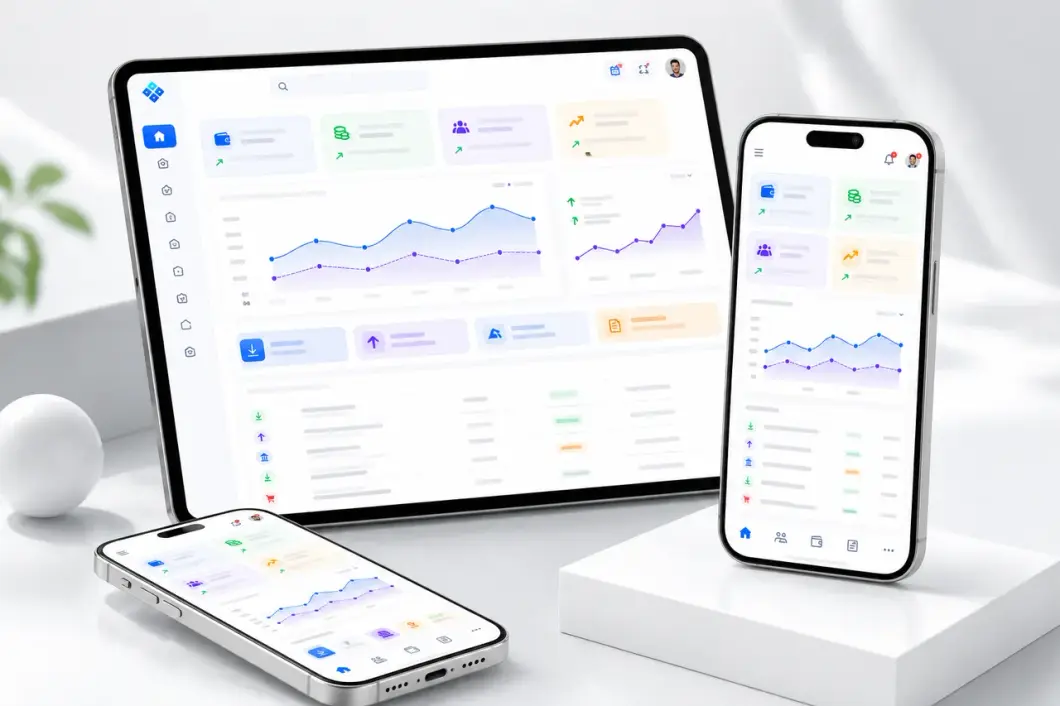
Why businesses go cross-platform
Cross-platform development is the right answer for most business apps, but only with a modern framework and developers who know where its limits are.
Separate Android and iOS teams mean double the development cost and double the bugs for the same feature.
The Android app has the new feature, the iPhone app gets it next month, and customers notice the difference.
Building two native apps doubles the time to market when you need to test your idea quickly.
Ionic, Cordova or PhoneGap apps from years ago that lag, look dated and break with new OS versions.
Conflicting advice on which framework to choose, and no one to explain what it means for your app.
Concerns that payments, Bluetooth, background location or camera won't work in a cross-platform app.
Our hybrid app development services
Flutter and React Native apps with native performance, plus the backend and admin panel to run them.
An honest Flutter vs React Native vs native recommendation for your app and team.
Read more about Framework ConsultingPixel-perfect Flutter apps in Dart with one UI that renders the same everywhere.
Read more about Flutter App DevelopmentTypeScript apps with native components and code shared with your React website.
Read more about React Native App DevelopmentPlatform channels and native modules for payments, Bluetooth, GPS and SDKs.
Read more about Native Modules & IntegrationsRebuild ageing WebView apps in Flutter or React Native, screen by screen.
Read more about Ionic & Cordova MigrationOne design system that respects Material Design on Android and iOS conventions on iPhone.
Web admin panel, REST APIs, Firebase and push notifications shared by both apps.
Read more about Backend, Admin & APIsSimultaneous Google Play and App Store releases with over-the-air fixes where allowed.
Framework upgrades, OS updates and new features for both platforms at once.
Read more about Hybrid App Maintenance
Flutter vs React Native vs native
Flutter and React Native are both mature, both used in large production apps and both deliver near-native results — but they suit different situations. Flutter gives one consistent, highly customised interface on every device. React Native uses real native components and lets a team share TypeScript code with a React website. And some apps are still better built natively. We compare them for your features, budget and team before recommending one.
Flutter app development
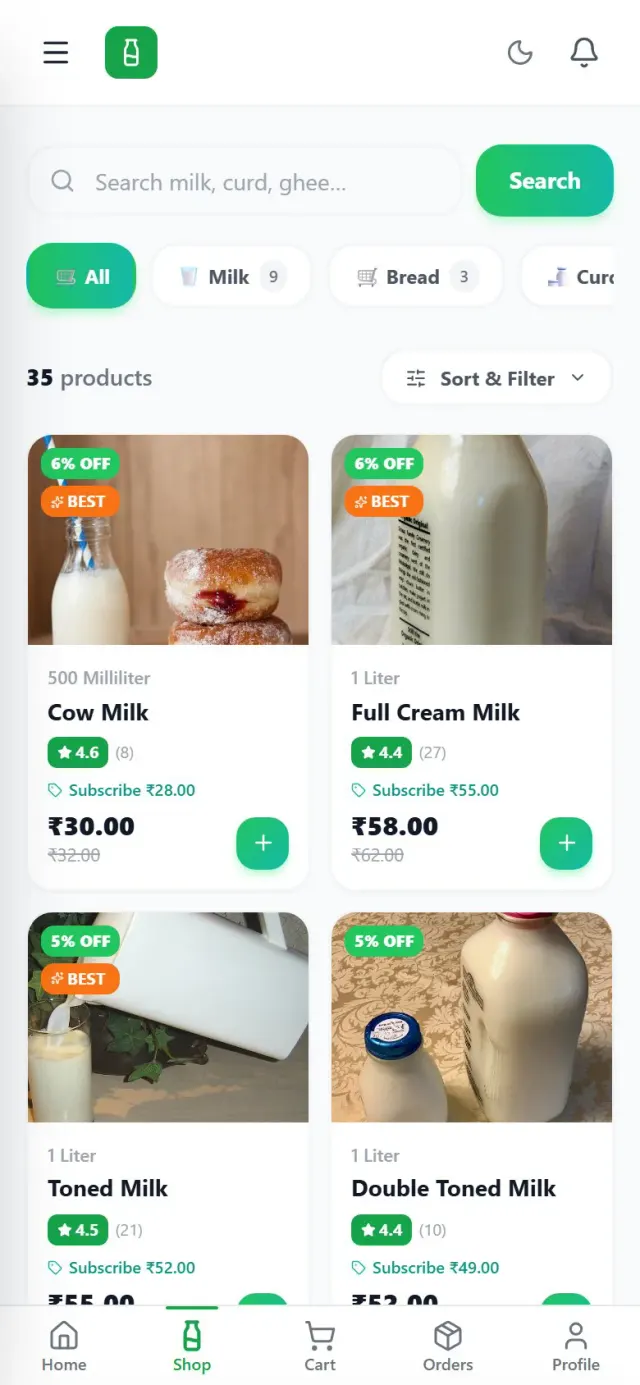
Flutter draws every pixel itself, so your app looks identical on a budget Android phone and the newest iPhone, and custom brand designs are easy to achieve. We build Flutter apps in Dart with a clean, layered architecture, Riverpod or Bloc for state management and Firebase or your own APIs behind them — ideal for e-commerce, subscription, booking and customer-facing apps where design consistency matters.

React Native app development
If your web platform is built in React, React Native lets the mobile app share business logic, validation, API clients and even developers with it. We build React Native apps in TypeScript on the modern architecture, with Expo where it speeds up delivery, and use real native components so each platform feels right. Updates to the JavaScript layer can reach users quickly through over-the-air updates, within store rules.

Native modules and performance
The old worry about hybrid apps came from WebView-based tools. Modern Flutter and React Native compile to native code, and when an app needs something the framework doesn't cover — a payment SDK, a Bluetooth printer, background location — we write a small native module in Kotlin or Swift. We also profile start-up time, frame rate and memory on real devices before every release.

Ionic, Cordova and PhoneGap migration
Many apps built years ago with PhoneGap, Cordova or early Ionic now struggle: PhoneGap Build has been discontinued, plugins are abandoned and new OS versions keep breaking things. We audit the existing app, keep the backend and data, and rebuild the front end in Flutter or React Native — screen by screen where possible — so users get a faster app without losing their accounts or history.
What you get
Our hybrid app development services end with both apps live and a single codebase your team, or ours, can extend with confidence.
Release health
Release roadmap
Our cross-platform development process
One team, one backlog and one codebase — with a test build for Android and iPhone every week.
Your goals, users and features, and whether a hybrid app is the right fit at all.
Flutter or React Native choice, architecture, screen list and a fixed, itemised quote.
A shared design system and clickable prototype, adapted for Android and iOS conventions.
Two-week sprints with demos, weekly builds for both platforms and the backend in parallel.
Real-device testing on both platforms, then Google Play and App Store submission.
Framework and OS upgrades, crash fixes and new features shipped to both stores.
Engagement models
Fixed-price builds for a defined app, monthly developers for an evolving product, or a focused migration project.
Fixed price
Android and iOS apps from one defined scope.
Monthly
A cross-platform developer on your roadmap.
Per project
Move an Ionic, Cordova or native app to one codebase.
Why Sysfo for hybrid apps
Because we build native Android and iOS apps too, we know exactly where cross-platform shines and where it doesn't.
We work in Flutter, React Native, Kotlin and Swift, so we recommend what fits rather than what we happen to know.
When an SDK or device feature needs native code, our Kotlin and Swift developers write the module in-house.
One team builds both apps, the web admin and the APIs, so features reach every platform at once.
Our milk delivery, scrap collection and MLM products pair mobile apps with one shared backend and admin.
You see the cost of each feature for both platforms before development starts.
Source code, store accounts and signing keys are yours; we sign an NDA on request.
FAQ
Hybrid app development services build one app that runs on both Android and iOS from a single codebase. Today that usually means Flutter or React Native, which compile to native code, rather than older WebView tools. Our service covers framework choice, UI/UX design, development, native modules, backend and admin panel, testing, publishing to both stores and ongoing upgrades.
Native apps are written separately for each platform in Kotlin or Swift. Cross-platform apps share one codebase, using Flutter or React Native, and still compile to native code. 'Hybrid' traditionally meant web code inside a WebView, as with Cordova or Ionic, but the term is now widely used for any cross-platform app. We build all three.
Choose Flutter for a highly customised, brand-led interface that looks identical everywhere, or when your team has no existing JavaScript code. Choose React Native when you have a React web app to share code and developers with, or want platform-native components. Both are mature; the right pick depends on your app, so we compare them for your case.
Usually, yes. Because most of the code is shared, hybrid app development typically costs noticeably less than building and maintaining two separate native apps, and features ship to both platforms together. The exact saving depends on how much platform-specific work your app needs. We give a fixed, itemised quote after understanding your requirements.
A focused Flutter or React Native app with an admin panel typically takes 8 to 14 weeks from scoping to launch on both stores. That is usually much faster than building two native apps in sequence. You receive test builds for Android and iPhone every week during development.
For most business, e-commerce, booking and content apps, users can't tell the difference: both frameworks render at 60 frames per second and start quickly. Apps with heavy 3D graphics, complex video processing or very deep hardware use may still be better native. We profile performance on real devices before every release.
Yes. We audit the existing app and its plugins, keep your backend, user accounts and data, and rebuild the front end in Flutter or React Native. The new version is published under the same store listings, so you keep your reviews and existing installs, and users simply update.
You do. With our hybrid app development services, the source code, design files, signing keys and both store accounts belong to you. We keep the code in a repository you control and hand over documentation, so you are never locked in to us as a vendor.
Yes. Flutter and React Native release new versions regularly, and Android and iOS change every year. Our monthly maintenance plans cover framework and dependency upgrades, OS compatibility, crash fixes and new features released to both stores together, with response times agreed in writing.
Start your cross-platform app
Tell us what your app should do. A cross-platform specialist will call you back within one business day with a framework recommendation, followed by a free, itemised estimate.